


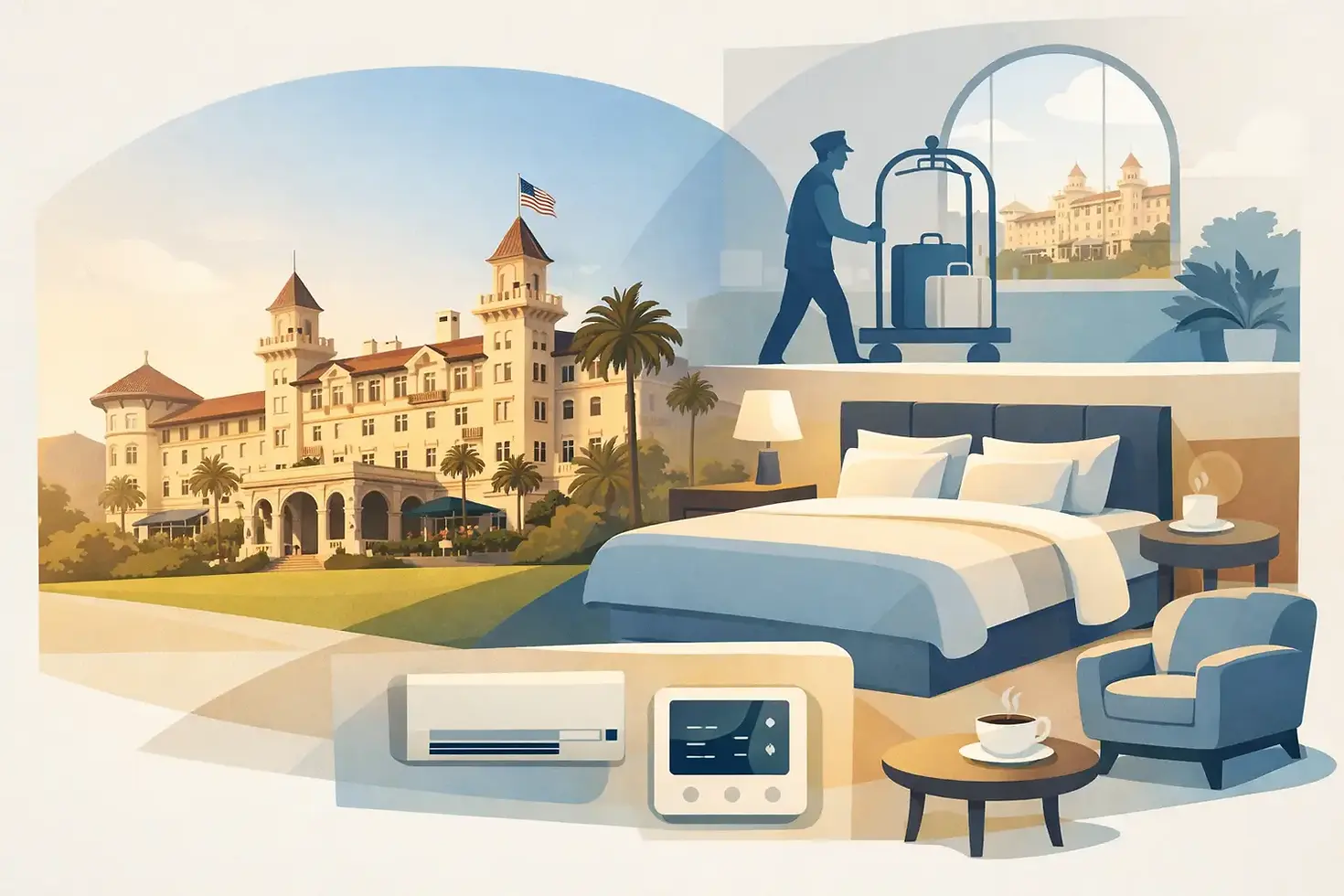
Are Historic Hotels Comfortable Today?
You can usually tell within the first five minutes. A historic hotel either feels lovingly preserved and quietly luxurious, or it feels like a beautiful old building asking you to forgive too much. That is why travelers still ask, are historic hotels comfortable today? It is a fair question, especially for guests who want architectural character without giving up a good night’s sleep, a warm shower, reliable service, and the small conveniences that make travel feel easy.
The short answer is yes, many historic hotels are absolutely comfortable today. But comfort in a heritage property is not identical to comfort in a modern chain hotel. It has a different rhythm, a different kind of atmosphere, and often a more personal style of hospitality. For many travelers, that difference is exactly the appeal.
Are historic hotels comfortable today or just charming?
The old stereotype says historic hotels are lovely to look at and slightly inconvenient to stay in. Sometimes that stereotype comes from real experiences in properties that focused more on nostalgia than guest comfort. Age alone does not create comfort. Thoughtful restoration does.
A well-run historic hotel understands that guests are not choosing between beauty and ease. They expect both. That means original architectural details can remain intact while beds, bathrooms, lighting, climate control, and sound management are updated behind the scenes. The best heritage stays never ask you to romanticize discomfort. They invite you to enjoy history in a setting that still feels cared for, polished, and restorative.
This is where boutique hospitality often excels. Smaller historic properties tend to be more intentional. Instead of replicating the same room across hundreds of floors, they shape comfort around the character of the building. That might mean preserving tall ceilings, handcrafted woodwork, and vintage proportions while making sure the mattress feels current, the linens feel crisp, and the service feels attentive from arrival to departure.
What comfort means in a historic hotel now
Comfort today is not just physical. It is emotional as well. Travelers want to feel settled, welcome, and understood. In a historic hotel, that can come from a sense of place that modern buildings rarely offer.
A room with period architecture often feels warmer and more memorable than one designed to look like every other room in every other city. Natural materials, original windows, antique accents, and a quieter residential scale can create a stay that feels intimate rather than generic. When that setting is paired with modern hospitality standards, the result can feel more comfortable, not less.
Still, comfort is practical too. Most guests are looking for a few non-negotiables. They want clean, updated bathrooms, dependable hot water, quality bedding, strong housekeeping standards, and staff who are responsive when something is needed. They also want spaces that feel safe and maintained. Historic hotels that succeed today do not treat those things as extras. They treat them as foundational.
Where historic hotels sometimes differ from modern ones
This is where honesty matters. Historic hotels can be deeply comfortable, but they may not deliver comfort in the same format as a new-build property.
Room layouts are often less uniform. Hallways may be narrower. Windows may be original in style, even if upgraded for function. Floors may carry the subtle sounds of an older structure. Elevators, if present, may be smaller. A grand old house turned boutique hotel may feel more residential and intimate than a large commercial hotel.
For many guests, those are not drawbacks. They are part of the personality of the stay. But it depends on your travel style. If your ideal hotel experience is complete standardization, a very large fitness center, or the feeling of a highly engineered corporate property, a historic stay may feel different from what you are used to. If you value atmosphere, craftsmanship, and service with a human touch, that difference often feels refreshing.
The real answer depends on the restoration
When travelers wonder are historic hotels comfortable today, the most accurate answer is this: the comfortable ones have invested seriously in restoration, maintenance, and guest experience.
A beautiful façade is not enough. Heritage properties need ongoing care. Plumbing, electrical systems, insulation, ventilation, and bathroom design all matter. So does how the hotel staff interprets the building’s limits and strengths. A smart historic hotel does not pretend to be something it is not. It leans into its identity while quietly solving for modern expectations.
That balance requires judgment. Renovate too aggressively, and the hotel loses the very soul guests came for. Preserve too rigidly, and the stay can feel fragile or impractical. The best properties understand that comfort is part of preservation. If guests can rest well, move through the space with ease, and feel genuinely looked after, the building remains alive in the best sense.
Why many travelers find them more comfortable than chain hotels
There is a reason so many travelers return to heritage properties after trying one good stay. Comfort is not only about predictability. It is also about feeling connected.
Historic hotels often create a stronger emotional experience. They invite you into a story rather than placing you in a template. That can make a short city stay feel richer and more personal. Instead of passing through a lobby designed for volume, you enter a space with texture, memory, and intention. Instead of feeling like a room number, you are often met with more direct attention.
That level of care can be especially valuable for couples, cultural travelers, and guests who want more than a place to sleep. Personalized recommendations, help arranging tours and transportation, wellness offerings, and a staff that remembers your preferences can shape comfort in a much deeper way than square footage alone.
In a city like San Jose, where architecture, history, and urban energy meet, a heritage hotel can also make the destination itself feel closer. The stay becomes part of the travel experience rather than just a backdrop to it.
How to tell if a historic hotel will feel comfortable to you
Before booking, it helps to read beyond the word historic. That label can describe anything from carefully restored elegance to minimal updates with a lot of goodwill doing the heavy lifting.
Look at how the property talks about its rooms and guest experience. Does it mention restoration, upgraded amenities, private bathrooms, curated experiences, or personalized service? Do the photos show spaces that feel maintained and inviting rather than merely old? Is the tone focused only on architecture, or does it also speak clearly about comfort?
Guest reviews can also reveal the truth quickly. Travelers tend to forgive small quirks when the essentials are excellent. They do not forgive poor sleep, inconsistent water pressure, tired bedding, or service that feels absent. If guests repeatedly mention restful rooms, helpful staff, and a distinctive atmosphere, that is a very good sign.
It also helps to know your own priorities. If you want silence above all else, ask about room placement. If climate control matters to you, confirm what is available. If stairs are a concern, check accessibility details in advance. Historic hospitality is often exceptional when expectations are matched thoughtfully to the property.
A heritage stay can feel beautifully current
The strongest historic hotels do not live in the past. They carry the past gracefully into the present. That distinction matters.
A carefully preserved residence with architectural soul can still offer the comforts modern travelers value most: calm, privacy, elegance, responsive hospitality, and the feeling that every detail has been considered. In many cases, that creates a more memorable form of comfort than the polished sameness of a standard hotel.
At The Victorian Hotel, that philosophy feels especially relevant. A heritage setting can be more than visually striking. It can become a warm and refined base for the entire journey, with comfort shaped not only by the room itself but by the care surrounding your stay.
So, are historic hotels comfortable today? Very often, yes. When history is paired with thoughtful design and genuine hospitality, comfort does not disappear inside an older building. It becomes more distinctive.
If you are choosing where to stay, it is worth asking not only whether a hotel is modern enough, but whether it will make you feel something while you are there. The best historic hotels do both, and that is a rare kind of comfort to come home to at the end of the day.


Comentarios